Sustainability and energy saving at home
We are committed to tackling fuel poverty by improving the energy efficiency of our homes.
Your home should be warm, safe and affordable to live in. We are committed to tackling fuel poverty by improving the energy efficiency of our homes and supporting customers to make simple changes that can cut energy use, reduce bills and help create a more sustainable future.
As part of our ongoing investment in homes, we carry out retrofit works where appropriate. Working with like-minded partners, our retrofitting programme improves existing homes with measures that help them use less energy and stay warmer for longer. This could include improvements such as insulation, draught-proofing, upgraded windows or more efficient heating systems. These improvements can help lower energy bills, reduce carbon emissions and make homes healthier and more comfortable to live in.
Between April 2025 and March 2026, we installed:
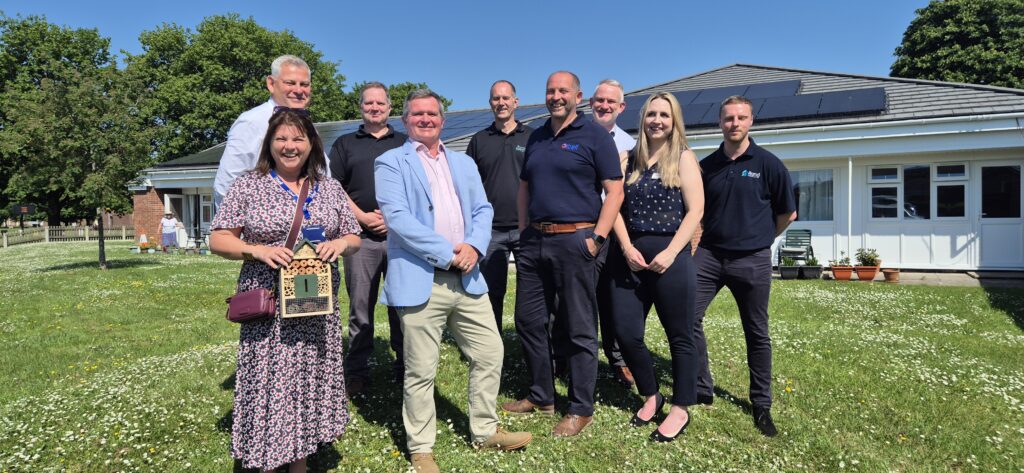
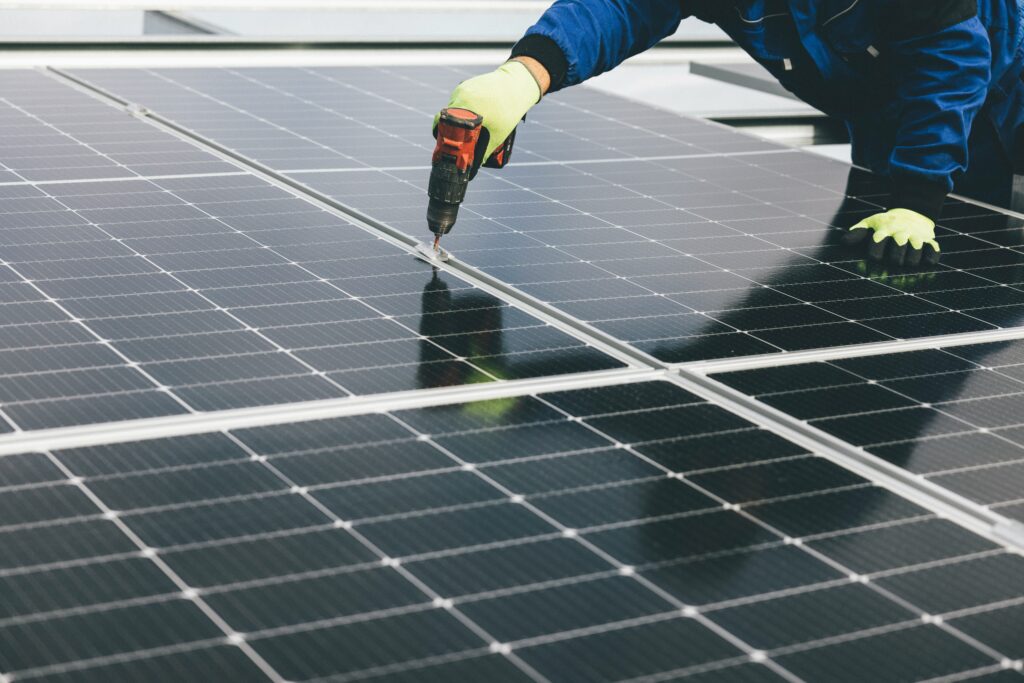
- 1,372 solar panels on 160 properties
- 67 homes with cavity wall insulation
- 47 homes with low carbon heating
- 107 homes with increased level of loft insulation
Energy support
If you’re looking for help with your energy bills, or need advice about how to keep your home warm without it costing the earth, there are plenty of organisations that can help.
Customer feedback
Hear what our customers think about our retrofitting process.
Retrofitting information
Retrofit means making improvements to an existing home that were not part of the original building. These improvements are designed to make the home more energy efficient and comfortable. Examples include insulation, draught-proofing, upgraded windows or improvements to heating systems.
Improving energy efficiency can help reduce the amount of energy needed to heat and power a home. This can help lower energy bills, keep homes warmer and reduce carbon emissions.
An Energy Performance Certificate, often called an EPC, gives a rating from A to G for how energy efficient a home is. It looks at things such as insulation, heating systems and how environmentally friendly the home is. The certificate also includes recommendations for improvements.
Yes. Small changes, such as turning appliances off standby, using low energy light bulbs, only boiling the water you need and reducing draughts, can all help reduce energy use over time.
No. While draught-proofing is a good way to keep warmth in, you should not block air bricks or vents. These may be needed for ventilation and for some boilers to work safely.
Energy saving tips
Turning the thermostat down by just one degree, if it is comfortable and safe to do so, can help reduce heating bills. Closing curtains at night, using thermal linings and draught-proofing doors and windows can also help keep heat in.
Try to keep radiators clear of furniture and avoid covering them with clothes, as this can stop warm air circulating properly around the room.
Switch lights off when leaving a room and replace old bulbs with low energy bulbs when they need changing. Energy efficient lighting can reduce electricity use, especially in rooms where lights are used regularly.
Where possible, turn appliances off at the wall rather than leaving them on standby. When replacing appliances, look for the most energy efficient model within budget. Appliance efficiency ratings usually run from A to G, with A being the most efficient.
Washing clothes at 30°C and waiting until there is a full load before using the washing machine or dishwasher can help save energy. Drying laundry outside or on a clothes rack, rather than using a tumble dryer, can also reduce energy use.
Only boil the amount of water needed when using the kettle. This is a simple habit that can help avoid wasting electricity.
Check around windows and external doors for gaps where cold air may be coming in. Draught excluders can help reduce heat loss. Closing curtains at night can also help keep warmth in.